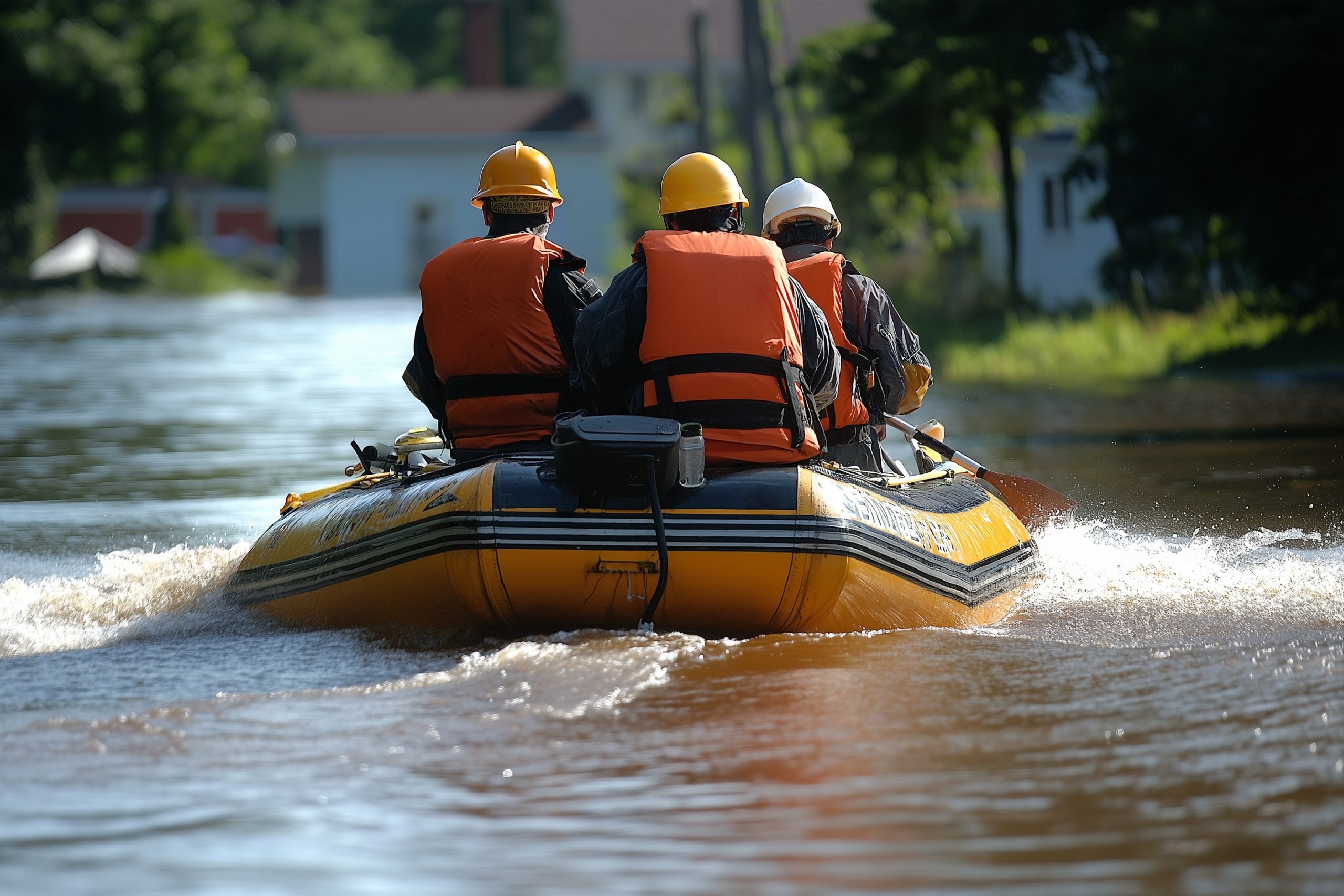


In times of crisis, clear and effective communication can make the difference between safety and chaos. Zencity Impact’s latest webinar, Crisis Communication & Trust: Navigating Natural Disasters, brought together top experts in public safety, law enforcement, and crisis communications to discuss best practices for managing public trust before, during, and after a disaster.
Here are the most important lessons from our discussion:
1. Crisis Communication Starts Before the Crisis
One of the key takeaways was the importance of proactive planning. Public safety leaders emphasized that the best way to close gaps in crisis response is to identify potential weaknesses before disaster strikes. This includes:
- Establishing clear communication channels between agencies.
- Conducting regular training and simulations, such as FEMA’s Advanced PIO training.
- Building relationships with the media in advance, so they can serve as reliable partners when a crisis occurs.
“The time to set up media relationships is before the crisis happens.” – Julie Parker
2. Social Media is a Lifeline – But Needs Continuous Updates
Social media plays a crucial role in crisis communication, but many agencies still underutilize it. Experts highlighted that while initial alerts are often posted online, many agencies fail to provide consistent updates.
The recommendation? Treat your agency’s social media as a real-time newsroom, providing:
- Timely and frequent updates on crisis developments.
- Clear calls to action for residents.
- Myth-busting to counter misinformation.
“If your family member were in a disaster, how often would you want updates? Apply that same urgency to your communications.” – Julie Parker
3. Misinformation Can Worsen the Crisis
Misinformation is one of the biggest threats during disasters. With the rise of social media and AI-generated content, false information spreads faster than ever. To combat this:
- Agencies must be the first and most trusted source of information.
- Pre-approved crisis communication templates should be prepared in advance.
- Public safety officials should quickly correct false narratives before they take hold.
“The quickest way to add to the chaos is misinformation.” – Rich Stanek
4. Tailor Communications to the Public’s Mindset
Speakers emphasized that the way a message is framed impacts how seriously the public takes it. For example:
- If a city frequently experiences blizzards, simply saying “a storm is coming” may not prompt action.
- Using precise language such as “This is a potentially life-threatening storm” helps residents understand the severity.
Similarly, emergency messages should differentiate between:
- Advisories (immediate actions needed).
- Press releases (general updates and broader context).
“We need to educate the public on the difference between an advisory and a press release. An advisory is about what’s happening right now and what they need to do immediately. A release provides a broader context after the fact.” – Victorian Simmons
5. Plan for Communication Failures
What happens when digital communication goes dark? Agencies must have contingency plans in place. Experts suggested:
- Using pre-printed trap boards (physical signs in high-traffic areas with critical information).
- Relying on radio broadcasts for emergency messaging.
- Leveraging trusted community figures, such as sheriffs or local officials, to spread information through word-of-mouth.
6. AI is Changing the Landscape – For Better or Worse
Artificial intelligence is both a tool and a challenge for crisis communications. While AI can help generate alerts and automate updates, it also enables realistic deepfakes and misinformation.
To maintain trust, agencies must:
- Establish themselves as the official source of truth before a crisis.
- Educate the public on how to recognize AI-generated misinformation.
- Invest in tools that can detect and counteract fake content.
Final Thoughts: A Call to Action for Crisis Preparedness
The webinar made it clear: crisis communication isn’t just about responding—it’s about preparation, trust-building, and constant adaptation.
To ensure your agency is ready for the next crisis:
- Develop and test your emergency communication strategy.
- Build strong relationships with media and community partners.
- Train your team in real-time crisis response.
- Take advantage of tools like AI, but remain vigilant against misinformation.
Stay engaged with the conversation by joining the Zencity Impact – Law Enforcement USA or Zencity Impact – Local Government USA LinkedIn groups.
Contact us today to learn more about how Zencity can help manage your next crisis!


